humanoids
The Domestic Pivot: Why UBTech is Betting the Company on the Living Room
UBTech's $17,600–$138,000 companion robot reveals why the living room may be the hardest robotic environment on Earth, and whether a machine with silicone skin and an emotion-aware AI can truly belong in one.
By Maya Chen, Humanoid Robotics · June 29, 2026 · 10 min read

The UBTech UWORLD U1 humanoid with hyper-realistic silicone features standing in a warmly lit modern living room
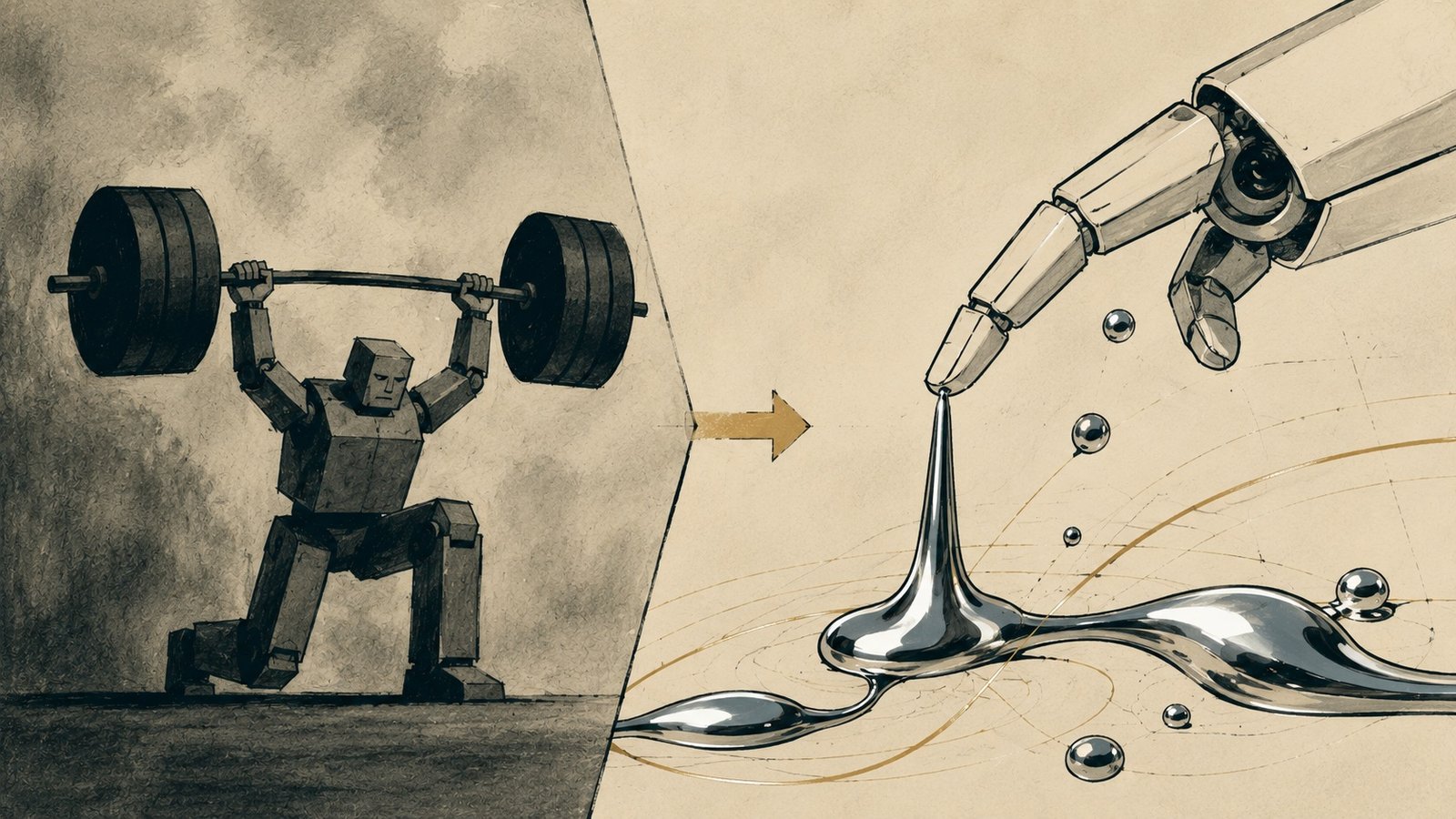
The geographic divergence of the humanoid robotics industry is solidifying into a profound strategic split. In the United States, the focus is overwhelmingly industrial. Companies like Tesla, Figure AI, and Agility Robotics are laser-focused on deploying steel and carbon-fiber machines into the highly structured, predictable environments of automotive assembly lines and logistics centers. They are building tools for capitalism.
Meanwhile, halfway across the globe, a fundamentally different vision is taking shape. On June 30, Shenzhen-based robotics giant UBTech unveiled the UWORLD U1 Series. It is not designed to lift fifty-pound boxes or operate stamping presses. Featuring hyper-realistic silicone skin, 88 degrees of freedom for expressive movement, and a proprietary emotion-aware large language model, the U1 is designed specifically for adult companionship in the modern home.
With a price tag scaling from roughly $17,600 up to an astonishing $138,000 for the premium Ultra variant, UBTech is not just launching a product; they are attempting to pioneer an entirely new, incredibly complex consumer category. This "domestic pivot" exposes a massive technical and ethical friction point that Western robotics companies are actively avoiding: the living room is the hardest robotic environment on Earth.
The Chaos of the Unstructured Environment
To a roboticist, a factory floor is a beautifully sterile place. Aisles are straight, lighting is constant, and safety zones are clearly demarcated. If an anomaly occurs, say, a misplaced pallet, the robot simply stops and alerts a human.
A home is chaos. A home has stray Lego bricks, shifting rugs, moving pets, varying lighting conditions, and unpredictable humans spanning all ages. From an engineering perspective, developing a bipedal robot that can safely navigate a living room without tripping over a dog or crushing a child's toy is orders of magnitude more difficult than designing a robot to pick up a standardized tote box in a warehouse.
UBTech claims the U1 leverages the balance and navigation technology developed for its industrial Walker series. But walking across an empty stage during a product launch is very different from navigating a cluttered apartment in the dark. The physics of maintaining bipedal balance in a hyper-dynamic environment while simultaneously processing conversational cues and modulating facial expressions (to a claimed 20-millisecond latency) is an astounding computational load.
The Privacy Imperative: Local Processing Over Cloud Reliance
Beyond the physical challenges of the domestic space, UBTech faces an even steeper hurdle: the absolute necessity of privacy. The U1 is explicitly marketed as a companion, a machine designed to listen, observe, and remember deeply personal details to provide emotional support. It tracks eye contact, analyzes vocal tone, and uses an "Agent Memory OS" to evolve its personality over long-term interactions.
If a machine is recording and processing the intimate details of a user's home life, routing that data to an external cloud server is a non-starter. The security vulnerabilities and the inherent "creep factor" would instantly kill consumer adoption.
UBTech's solution is technically impressive, if difficult to verify. They claim the U1 relies on a "fast-and-slow cognitive architecture." The heavy emotional AI and conversational processing run locally on the device itself, utilizing a Rockchip RK3588 processor, effectively walling off the user's emotional data from the cloud.
This localized processing is not just a privacy feature; it is a latency requirement. Human conversation demands immediate micro-reactions. A 500-millisecond delay to fetch a response from a cloud server shatters the illusion of empathy. By keeping the processing on-device, UBTech is attempting to thread a very narrow needle: providing the processing power of a server rack inside the power envelope of a battery-operated humanoid.
The Cultural Divide in Automation
The fact that UBTech reported over 13,000 pre-orders (requiring a ~400 USD deposit) on the day of the launch indicates a genuine market appetite that many Western observers might find baffling. But this reflects a profound cultural and demographic divergence.
China is facing a severe demographic cliff, with a rapidly aging population and a shrinking workforce. The U1, while currently marketed for adult companionship and emotional support, is the vanguard for a future wave of robotic elder care and domestic assistance. The transition from industrial automation to domestic symbiosis is viewed not as a dystopian luxury, but as a societal necessity.
While American firms iterate on the logistics worker, attempting to optimize the supply chain, Chinese firms are braving the immense technical friction of the living room, attempting to optimize human connection. The U1 is expensive, controversial, and likely fraught with early-generation technical limitations. But it represents the first serious attempt to cross the uncanny valley and place a full-sized humanoid permanently inside the home. The industrial robots will build our goods, but the companion robots will test our humanity.
More From Robotics Weekly


Part of Issue 3: The Accountability Gap, published June 29, 2026→